
Case Studies
The Engineering Challenge & Environmental Baseline In large-scale 3D printing operations, effective fume extraction is not merely a compliance issue; it is a critical health and safety requirement. Extensive scientific characterizations of additive manufacturing emissions—specifically concerning the high release rates of Ultrafine Particles (UFPs) and Volatile Organic Compounds (VOCs) during extrusion (e.g., Bernatikova et al., 2021; alongside comprehensive analyses of particulate matter from both consumer and industrial 3D printing activities)—establish strict environmental safety thresholds. These studies prove that inadequate extraction leads to a rapid, hazardous accumulation of nanoparticles and toxic airborne compounds.
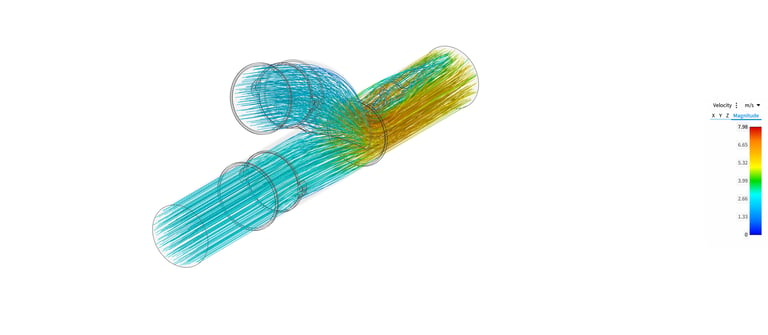
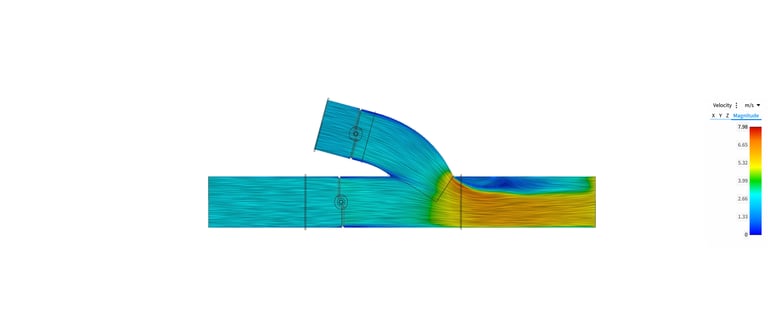
To effectively clear these scientifically documented emission volumes, the client’s extraction network required massive, uninterrupted airflow. However, the original design suffered from a severe aerodynamic bottleneck. The Y-connections linking multiple 3D printer enclosures to the main exhaust line generated unacceptable pressure drops. The sharp angles of these junctions caused flow separation and extensive turbulent recirculation zones, drastically reducing the system's ability to meet the critical extraction rates demanded by the academic safety baselines.
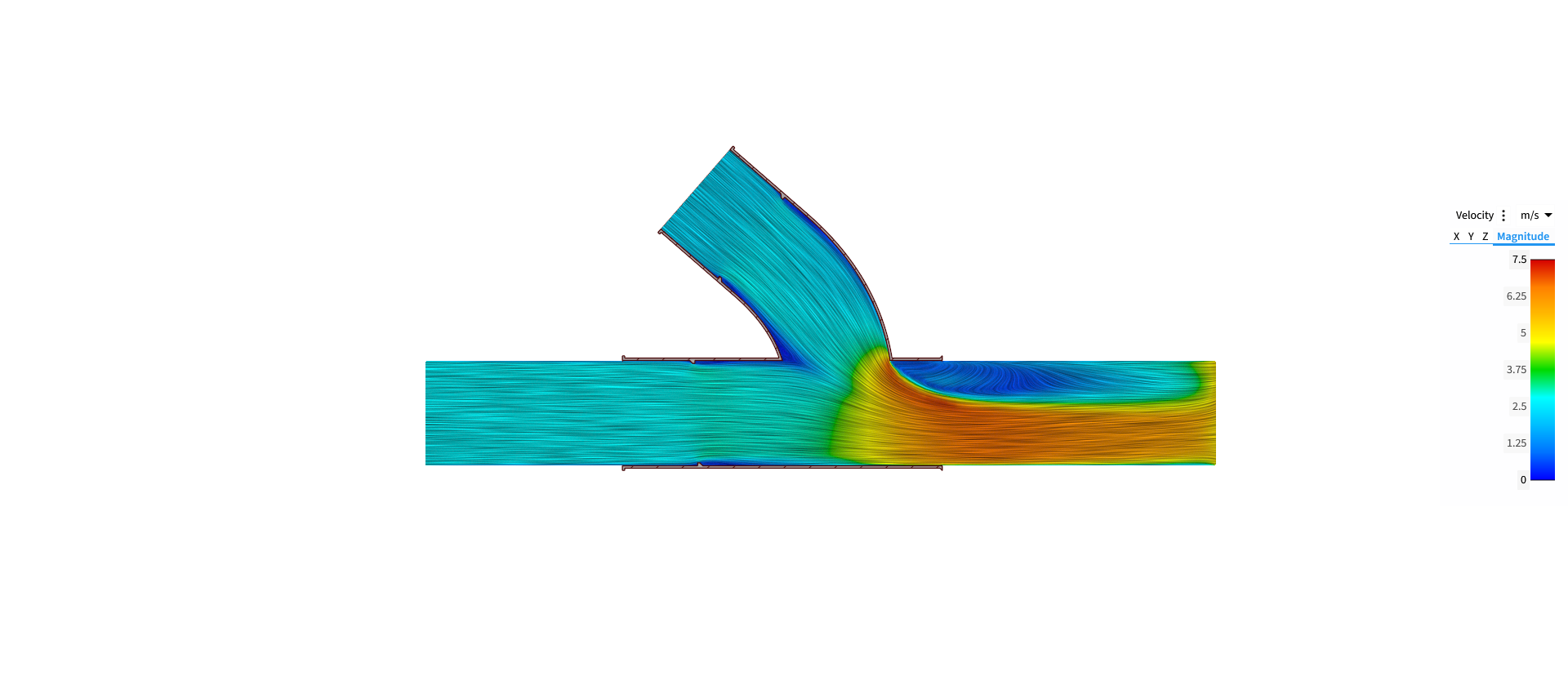
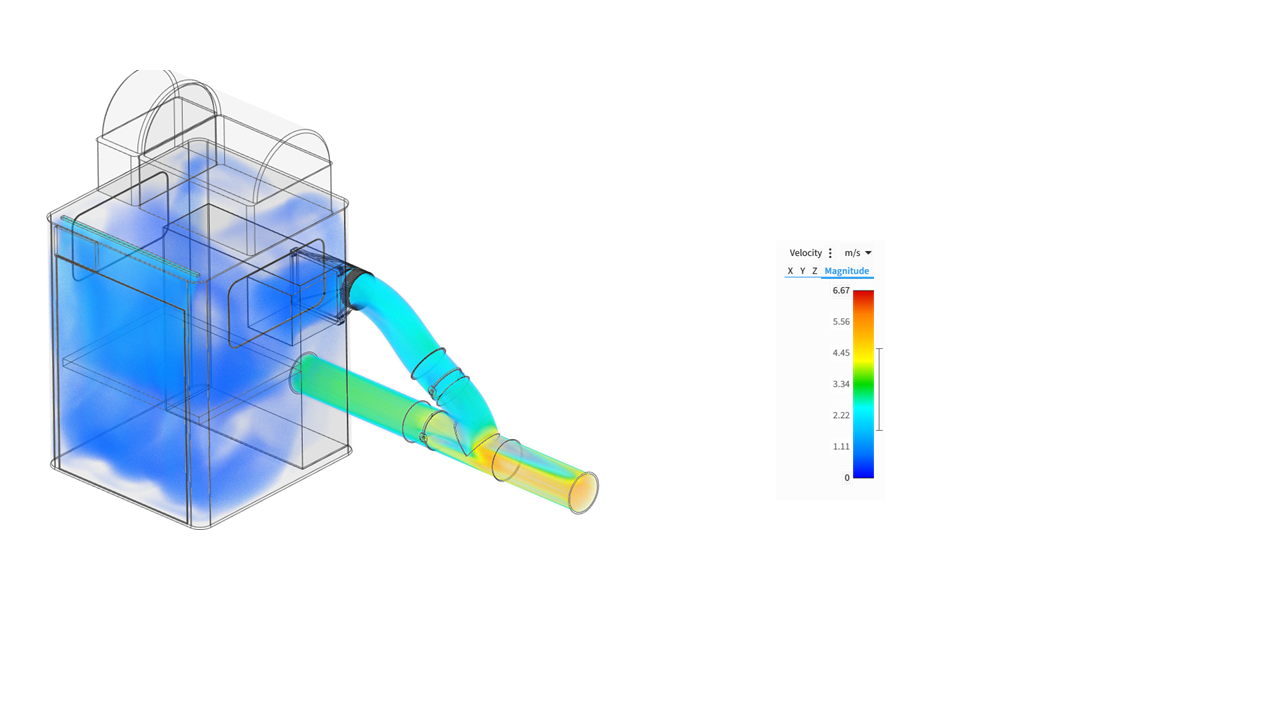
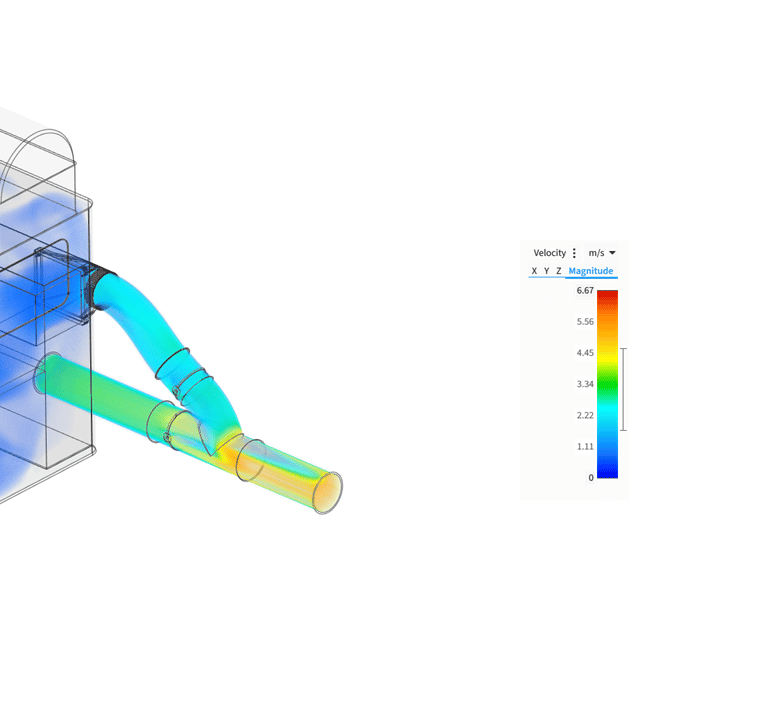
The Analytical Approach Using the established VOC and UFP generation rates as target boundary conditions for our model, we avoided empirical trial-and-error and employed Computational Fluid Dynamics (CFD). By reconstructing the 3D model of the extraction network, we simulated the exhaust gas behavior. Pressure maps and streamlines pinpointed the issue with absolute precision: the collision of converging airflows at the standard Y-junctions was acting as a virtual hydraulic block.
The Solution: Parametric Redesign Having isolated the aerodynamic failure points, we conducted a parametric study on the junction geometry. We iteratively modified the curvature radius of the Y-connections to smooth the convergence of the exhaust streams. The objective was clear: maintain flow attachment to the duct walls (preventing boundary layer separation) and eliminate the turbulent wake downstream of the intersection, thereby restoring the airflow capacity required to mitigate the UFP/VOC hazard.
Results and System Performance The topological optimization radically transformed the fluid dynamics of the extraction network:
Drastic Static Pressure Reduction: The aerodynamically optimized junctions eliminated stagnation zones, significantly lowering the overall resistance of the ducting system.
Verified Safety Compliance: With pressure drops minimized, the volumetric flow rate increased substantially. The system now guarantees the rapid removal of hazardous 3D printing fumes, easily satisfying the stringent environmental clearance rates highlighted in the scientific literature.
System-Wide Efficiency: The flow-guided design delivered a highly responsive extraction system, achieving maximum safety without the need to install oversized, energy-intensive exhaust fans.
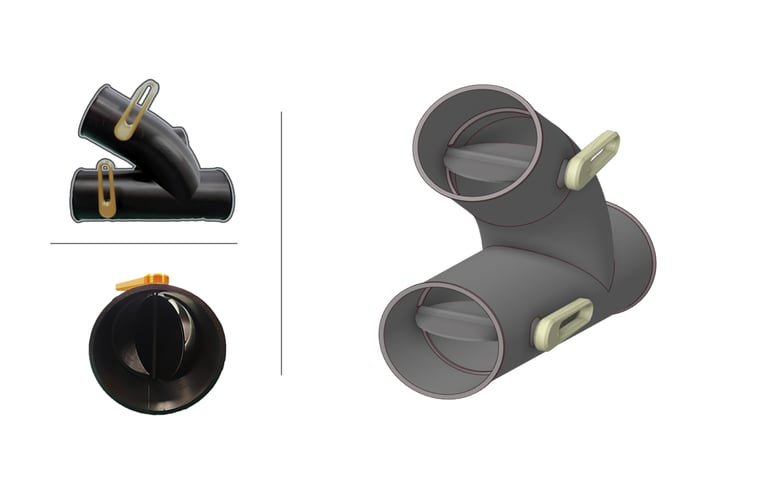
CFD Optimization of a Fume Extraction System for Additive Manufacturing (3D Printing)
From Thermal Risk to Flawless Performance: Engineering the Perfect 3D-Printed Design
We recently partnered on the development of a 3D-printed table lamp, specifically optimizing the LED holder. Initially, the LED was embedded directly into the base a clean design, but a major thermal hazard.
Our engineering intervention turned a potential product failure into a success:
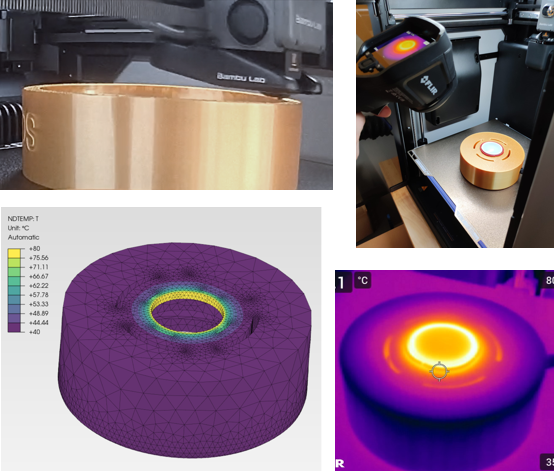
Thermal Simulation & Analysis: We identified that the original structure and material were severely overheating, risking structural deformation and reduced LED lifespan.
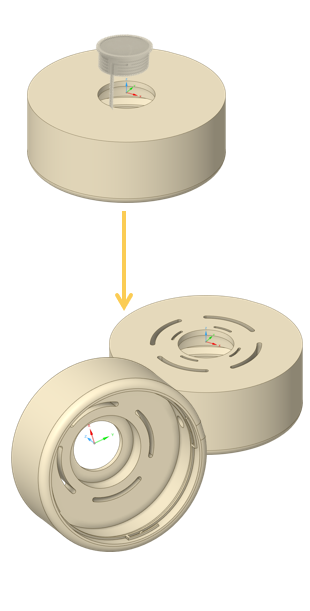
Smart Redesign: We engineered optimized ventilation holes to maximize airflow and ensure efficient cooling without compromising the lamp’s aesthetic appeal.
Empirical Validation: We didn't just stop at the screen. We 3D-printed the prototype and verified our thermal simulations using thermal imaging cameras. The result? Definitive proof that the new design effectively prevents overheating.
Engineering a 3D-Printed Compliant Mechanism
Why assemble multiple components when you can print them as a single, functional piece?
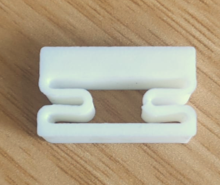
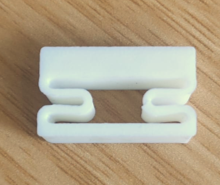
We engineered a high-performance compliant mechanism designed for monolithic 3D printing in ABS, featuring a custom-engineered integrated spring.
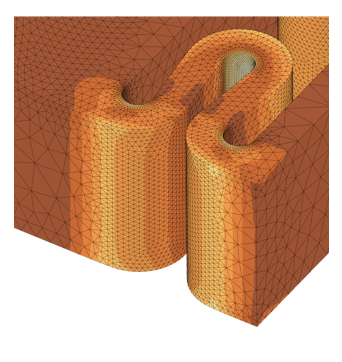
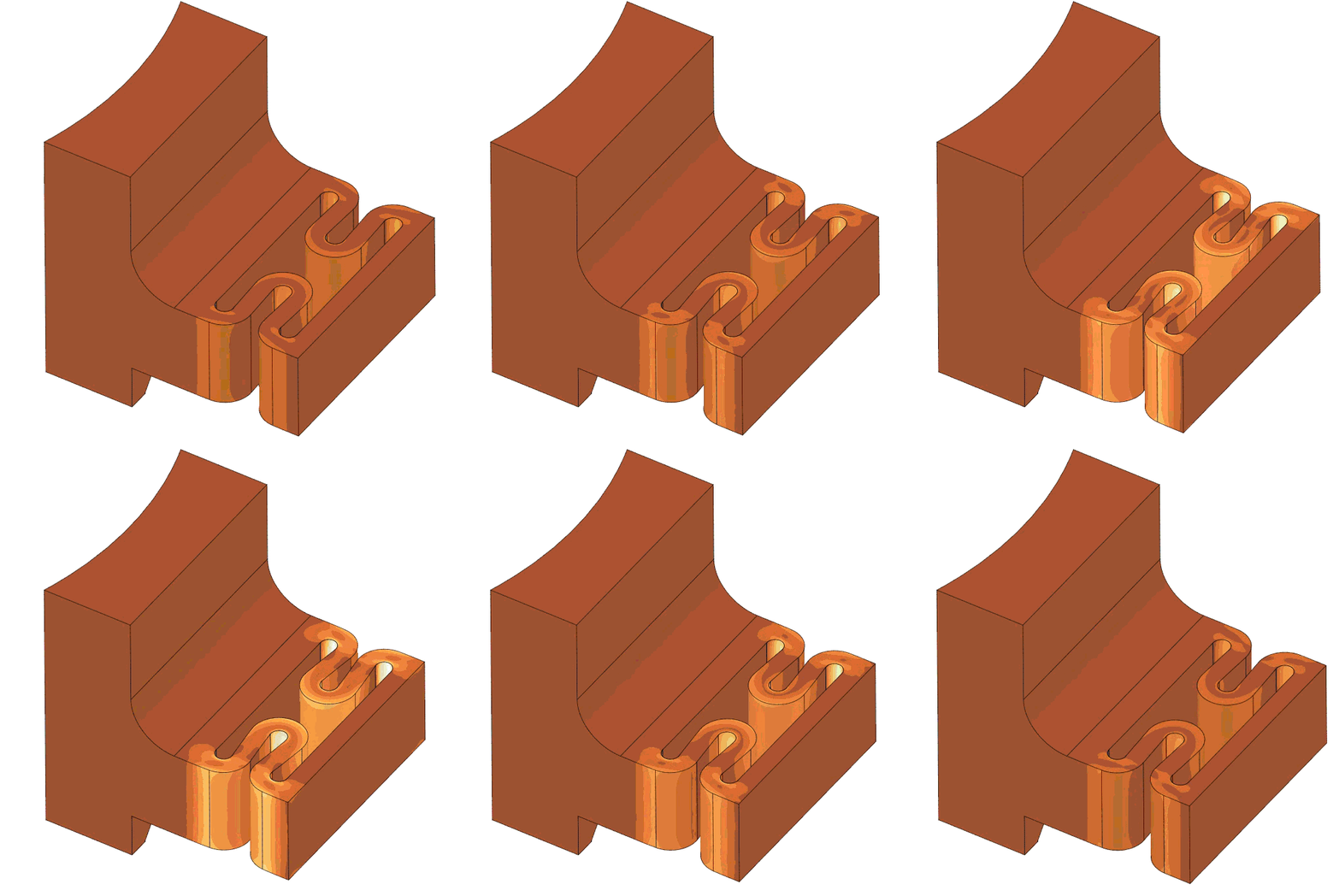
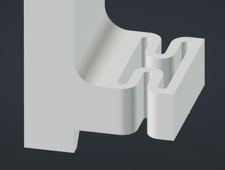
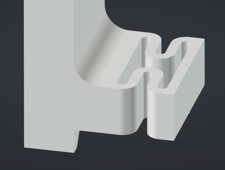
Advanced Structural Simulation: Using FEA (Finite Element Analysis), we simulated stress distribution and deformation patterns. This allowed us to optimize the serpentine spring geometry, ensuring the ABS operates strictly within its elastic limit to guarantee high fatigue resistance and prevent stress whitening or failure.
Additive Manufacturing Optimization: The component was successfully 3D-printed in ABS, optimizing print orientation and layer adhesion to withstand continuous cyclic mechanical loading.
Empirical Validation & Deployment: We functionalized the prototype, putting it through real-world operational testing. The mechanism validated our structural models perfectly, demonstrating smooth actuation, zero assembly overhead, and immediate operational readiness.
Ergonomics Meets Precision: 3D-Scanning and Custom Design for Industrial Inspections
A client was facing a critical operational challenge: Holding a professional thermal camera while climbing on roofs to perform thermal inspections was a major safety hazard, and standard carrying cases were completely unpractical during actual operations. They needed a hands-free, secure, and immediate solution.
We solved this problem by combining high-precision reverse engineering with user-centric design:
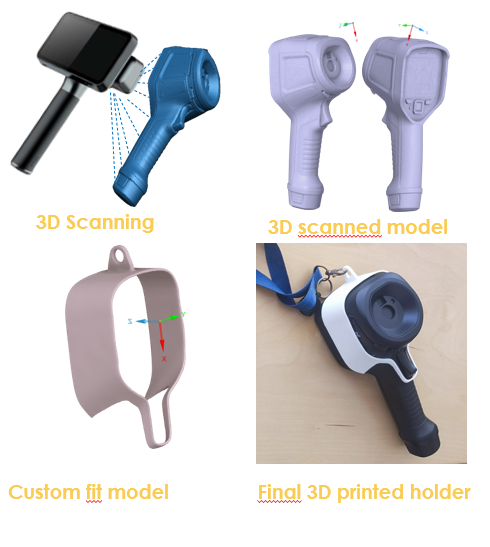
•3D Scanning & Reverse Engineering: We performed a high-resolution 3D scan of the FLIR E6 thermal imaging camera. This allowed us to capture the complex, organic geometry of the device with sub-millimeter precision, creating a flawless digital twin.
•Bespoke Ergonomic Design: Using the 3D scanned model as a reference, we designed a custom-fit transport neck mount. The design perfectly contours the camera body, ensuring a secure "click-in" fit that prevents shifting or accidental drops while walking or climbing.
•Enhanced Field Operations: The final holder features an integrated lanyard eyelet, transforming the FLIR E6 into a neck-worn device. The technician can now climb roofs with both hands free, access the camera instantly when on-site, and let it go safely when a hand is needed for stability.
Expert in :
2D and 3D modeling.
FEM
CFD
FDM 3D Printing
Animation & Rendering
Infrared thermography inspections
Reverse engineering and 3D Scanning
© 2025. All rights reserved.





mail: info@beeng.tech
Via Giovanni Porzio n. 4 Isola G7
80143, Naples
Italy